
With the demands of the digital age, artificial intelligence emerged from the science fiction novel and onto the business boardroom. But its reach is more than in the marketplace. Non-profit organizations, with the need to tackle society’s most intractable challenges with limited resources, are also embracing AI. They recognize the value of the tool as a means of increasing their reach, the reach of their programs, and ultimately, their impact on the people in their communities. It’s not about substituting the humanity of philanthropy but augmenting it, doing more, better, than ever.
A glimpse of how nonprofits are tapping the power of AI now:
Supercharging Fundraising and Donor Engagement
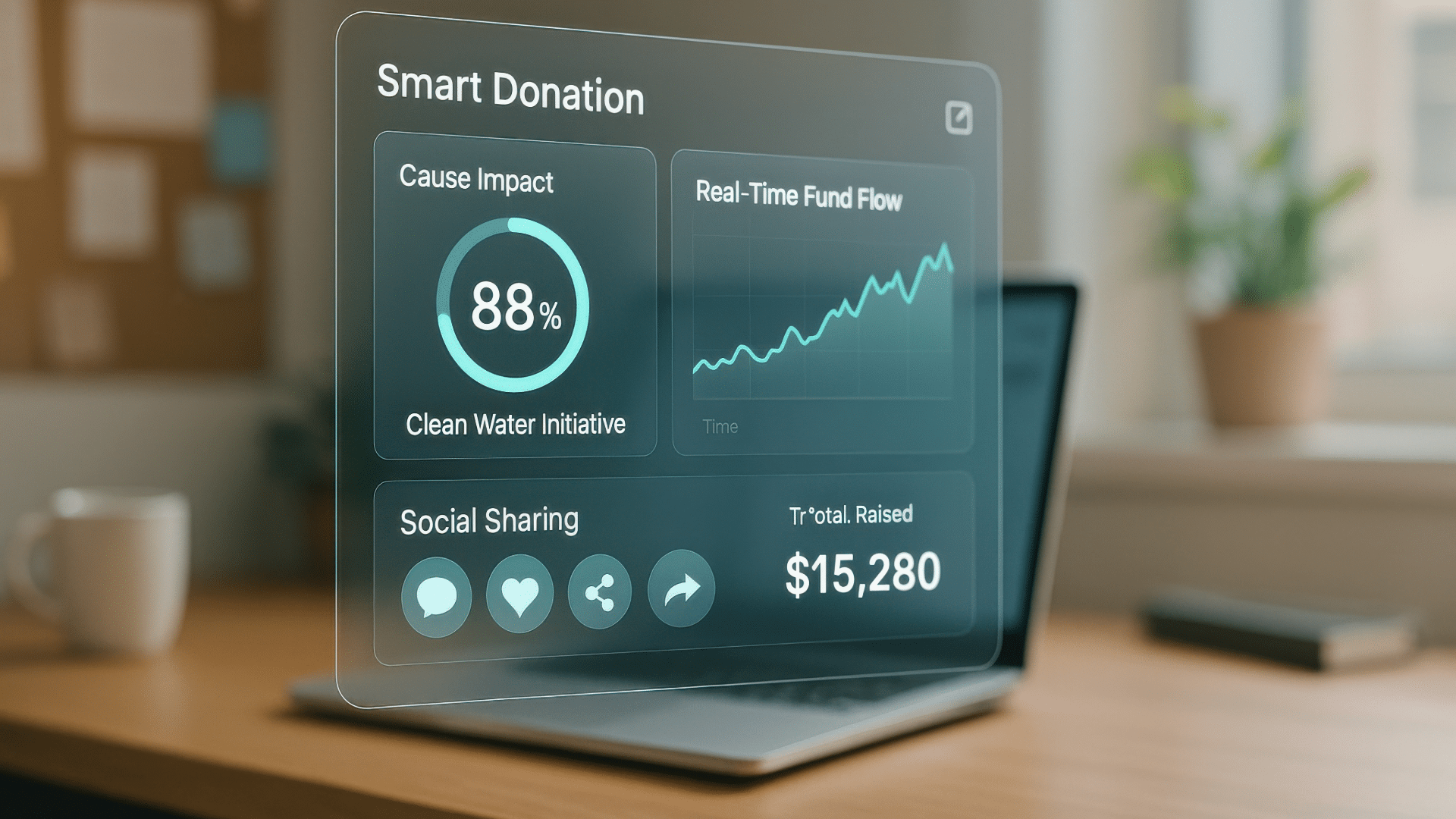
The charity’s lifeblood is money. The organization is transforming how it communicates through the use of AI.
Predictive Analytics: You could use machine models to sift through previous donor files for the most likely renewers of their gift or upgrades to the next gift level. This allows you to make individual, selective appeals instead of mass, form-letter appeals. You could, for example, use a machine to determine as the ultimate prospect for a recurring gift ask a donor that gave ~$50 in the holiday season, three consecutive years.
Personalization at Scale: Machine-driven solutions enable the production of tailored email, social, and direct mail that is aware of the donor’s unique interests and previous engagement, driving impressive response rates.
New Donor Discovery: With public records data and social media, machine intelligence is able to discover “lookalike” audiences–individuals that have the same traits as the organization’s current large contributors but not having been considered before.
Programme Maximization of Influence and Service Delivery
Artificial intelligence is being applied on the ground to make non-profits more effective and efficient.
Crisis Intervention: In Crisis Text Line, for example, natural language processing is used in the identification of the attitude and the need of incoming messages as an attempt to triage messages from most in need and send them directly to counselors.
Resource Allocation: AI will be able to review location and population data in order to project where it will be most required. A food bank, for instance, might use AI to project demand in different neighborhoods and thus distribute more effectively and waste less.
Conservation Applications: Machine learning is a game-changer for environmental nonprofits. Computer vision scripts can read hundreds of satellite images or drone footage in an attempt to stop deforestation, track poachers, or gauge populations of endangered species (e.g., Wild Me’s use of machine learning to identify individual animals).
Activity Streamlining and Overhead Reduction
Non-profits are able to allocate more of their resources toward their cause by streamlining administrative functions.
Back-Office Automation: AI-powered software can perform data entry, volunteer shift scheduling, expense classification, and even first-time grant reports, releasing valuable staff time for more high-level efforts.
Data Analysis: Instead of wasting weeks manually sifting through spreadsheets, non-profits can use AI to quickly scan program outcomes and operations data and report back simple findings for better-informed decisions.
Challenges and Ethical Issues
The application of AI is not free of problems. In most of the non-profits, the most vital problems are:
Cost and Resources: Implementing or creating an AI solution is costly.
Technical Expertise: Shortage of internal data science skills could be the greatest challenge.
Data Privacy: Donor and beneficiary sensitive information should be treated with high security and ethical methods.
Algorithmic Bias: If the training set of an AI system is biased, then so will the resultant decisions. Non-profits must therefore be mindful of ensuring that the products they are building are balanced and not biased.
The not-for-profit world in general is no longer so distant from the power of artificial intelligence. It’s no longer science fiction, but the here-and-now. Working to find a major donor for an organization or assist a conservationist track down a rarely sighted species, AI is enabling organizations to make wiser, quicker, and better choices. There are worries about cost, ethics, and capability, but the potential of AI as a force multiplier for good is irrefutable. The not-for-profit of the future is that of those able to harmoniously pair smart tech and the power of people.
Sources & Further Reading
- “How AI And Machine Learning Are Helping Nonprofits Deliver More Impact” – Forbes
- “Our Technology” – Crisis Text Line
- Wild Me(Official Website)
- “The Promise of AI for Social Good” – McKinsey & Company
- “The AI-Powered Non-Profit” – Salesforce.org